Scope
The platform grows before the wedge earns trust.
Most health-AI products do not need a smaller ambition. They need a first version that proves the workflow, the trust model, and the product behavior before the roadmap adds more surface area.
Health-Tech Founders // Advisor + Builder
I help founders pressure-test the clinical logic, narrow the MVP, set responsible AI boundaries, and turn the next decision into specs, a prototype, or shipped software.
Work with an MD, Nakama Health founder, and hands-on builder for one decision session, a clinical product review, a build sprint, or retained advisor-builder support.
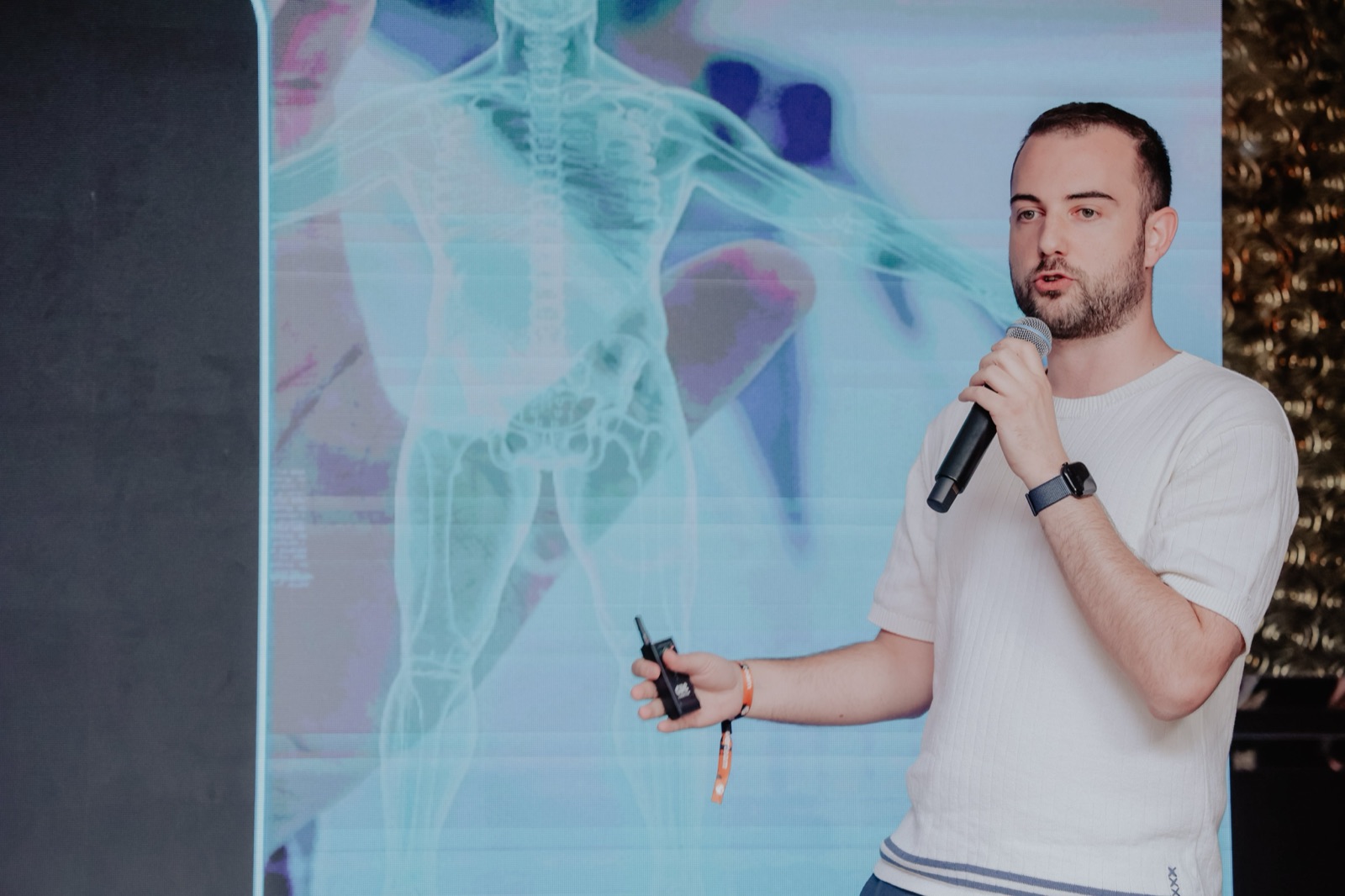
Current build
Nakama Health — health safety net for trusted communities.
Google Calendar reserves the time only; I confirm fit and payment details before the session is locked in.
Founder Bottlenecks
The expensive mistakes usually happen before launch: too much scope, unclear AI behavior, weak workflow fit, and a first build that does not prove the right thing.
Scope
Most health-AI products do not need a smaller ambition. They need a first version that proves the workflow, the trust model, and the product behavior before the roadmap adds more surface area.
Trust
The product needs to know what it can say, what needs review, what should route to a human, and what it should not answer at all.
Workflow
A health-tech product has to fit the real room: the person using it, the person paying for it, the person reviewing it, and the person carrying the downside when something goes wrong.
Build
The output should not be a deck of opinions. It should be a narrower product, clearer AI boundaries, a better founder narrative, and a path to the first useful build.
Founder Scope
Use this when the product is important enough to get right: the clinical claim, the workflow, the AI behavior, the MVP slice, and the build path.
The one workflow worth proving first
The clinical claim the product can responsibly make
Where AI should answer, assist, escalate, or stay quiet
Patient, clinician, operator, and buyer realities that change the product
The founder narrative for investors, partners, and early design partners
The smallest shippable slice that creates evidence
Ways To Work
Focused review
Best first step when the product feels fuzzy
Pressure-test the idea, prototype, workflow, roadmap, or pitch before the team commits to the wrong first product shape.
Build sprint
Prototype, MVP slice, or technical path
Turn a validated decision into a product slice the team can build, test, demo, or hand off without pretending it is the whole company.
Retained support
Monthly or milestone-based
Ongoing clinical product judgment, roadmap pressure, architecture review, and hands-on build support when the decisions keep compounding.
90 minutes
Start here if the decision is unclear
A focused session for one product, AI boundary, MVP, launch, partner, or clinical trust decision that needs a sharper next move.
Selected Work
Founder work across consumer health, mental wellness, cardiovascular care, and AI-supported workflows.
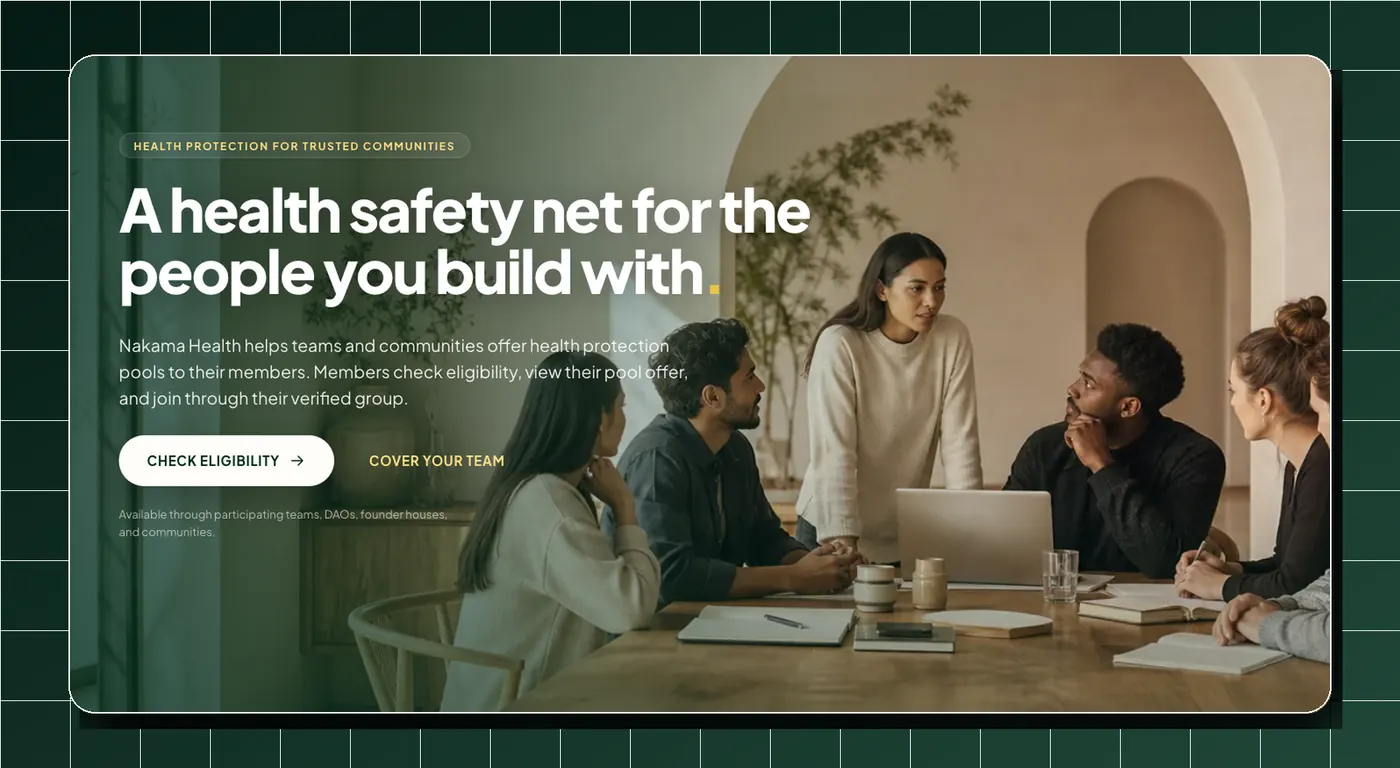
AI-native health protection platform for proactive, continuous care, member workflows, health-data context, and trusted operational tooling.
ResultBuilt around medical reasoning, AI agents, protection-pool design, clinical product boundaries, and founder-led product execution.
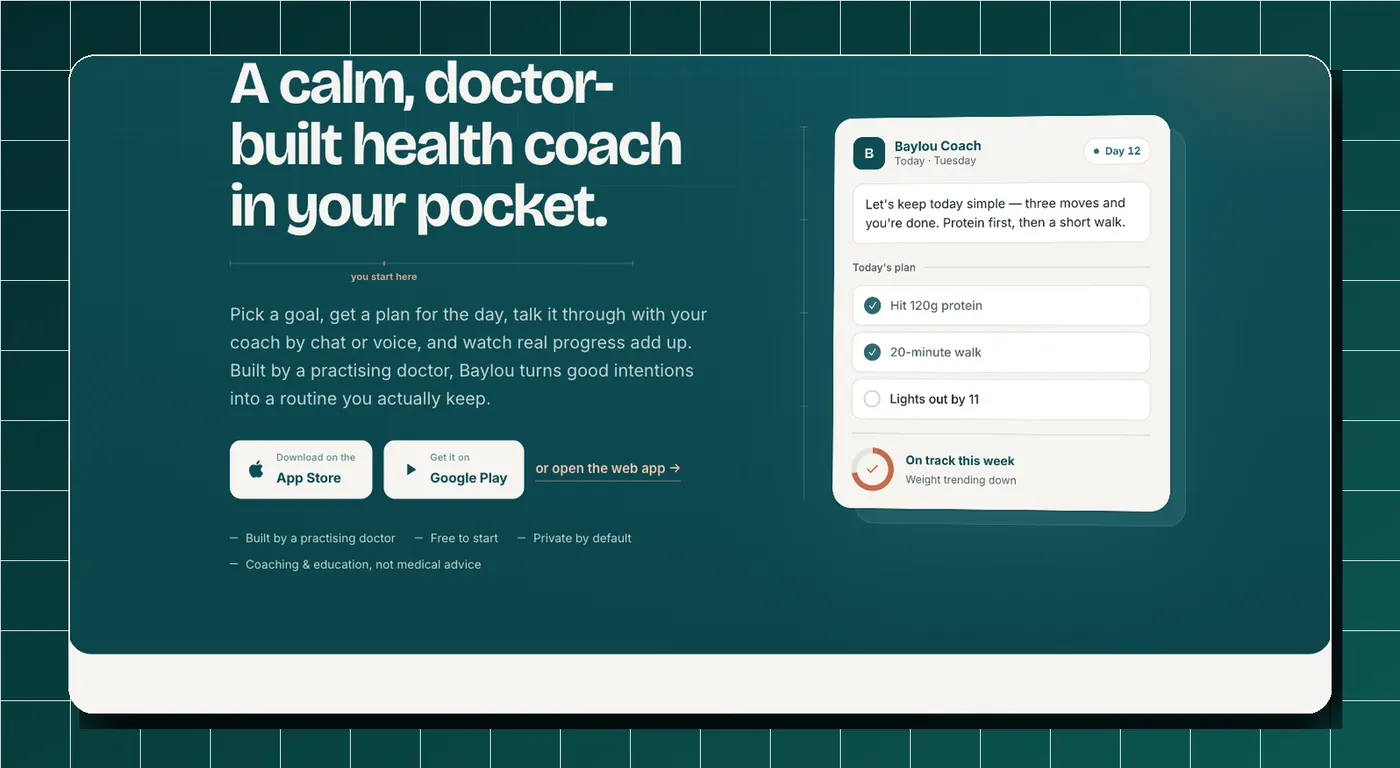
Doctor-built consumer health coaching app for daily plans, health context, chat and voice coaching, records, and progress.
ResultLaunched a live web app and store-listed product with daily planning, health context, coaching, records, and progress flows.
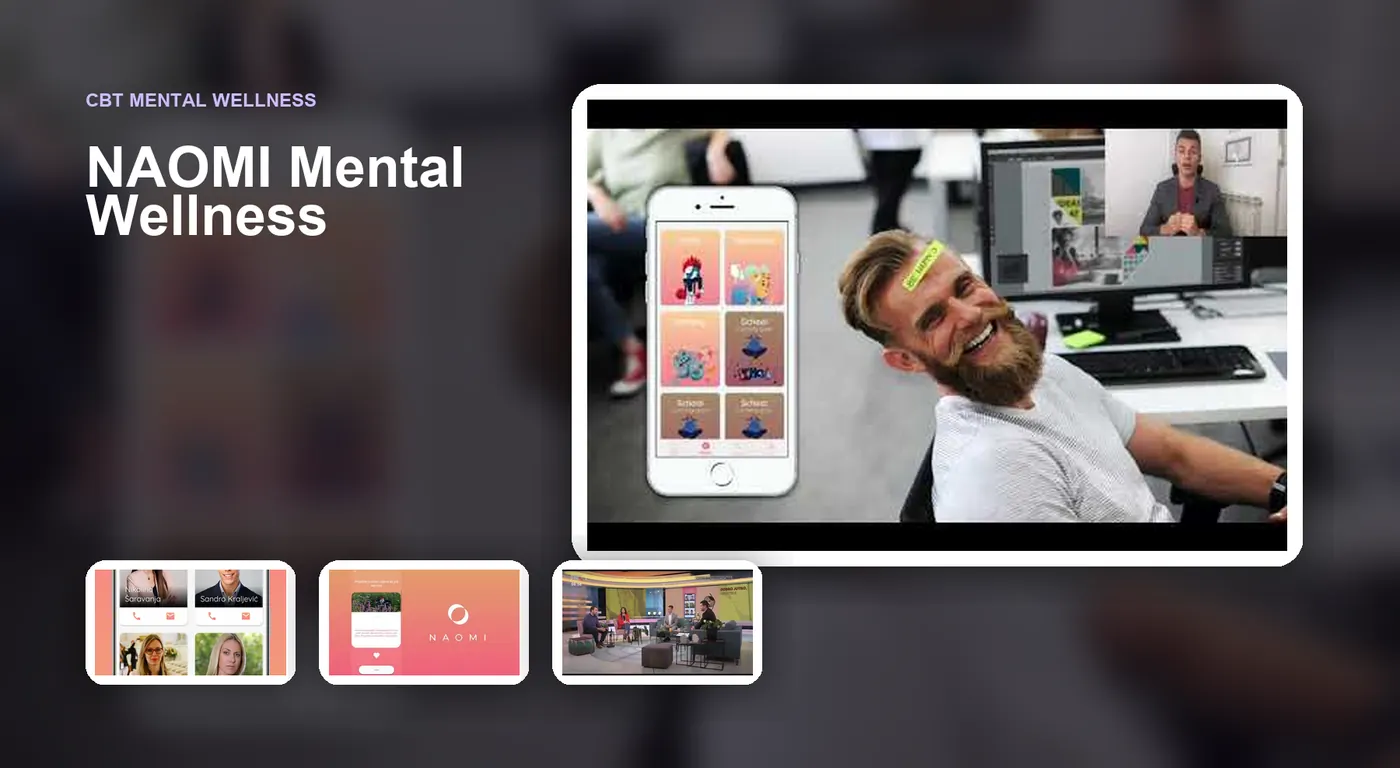
Accessible CBT-oriented mental wellness platform built with psychologist collaborators.
ResultRaised $60,000 in venture capital, reached 20,000+ downloads, and translated therapeutic concepts into user-facing digital flows.
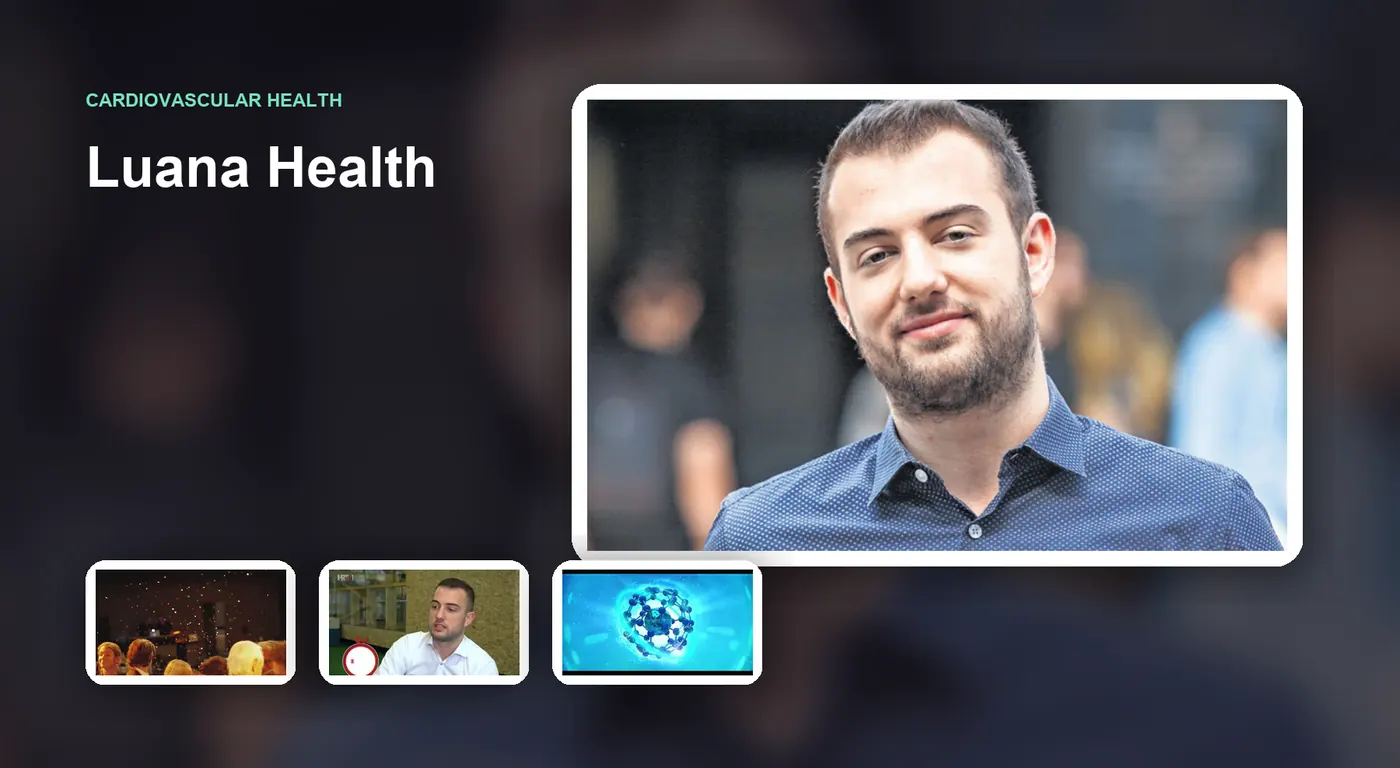
AI-powered lifestyle management chatbot system for cardiovascular health support.
ResultBuilt with clinicians in the United States and Slovenia; MVP used by 150 patients across Croatia and the United States.
Working Method
A health-AI product becomes easier to build when the clinical job, AI behavior, workflow owner, and first evidence slice are separated.
We name the patient, clinician, operator, or founder workflow the product must improve first.
We decide where AI can answer, assist, request review, escalate, refuse, or stay quiet.
We narrow the MVP to a useful slice that can be built, tested, shown, or handed to a team.
The work can stop at decision support, continue into specs, or turn into hands-on product and build support.
Trust Boundary
This is clinical product judgment and builder-level product execution: strategy, workflow design, AI behavior, MVP scope, and implementation support. Legal, regulatory, privacy, insurance, security, and medical compliance questions should be reviewed with qualified specialists.
Get in touch
Bring the product, stage, users, constraints, and the decision in front of you. If there is a fit, we use the call to turn the ambiguity into the next buildable move.
Google Calendar reserves the time only; I confirm fit and payment details before the session is locked in.